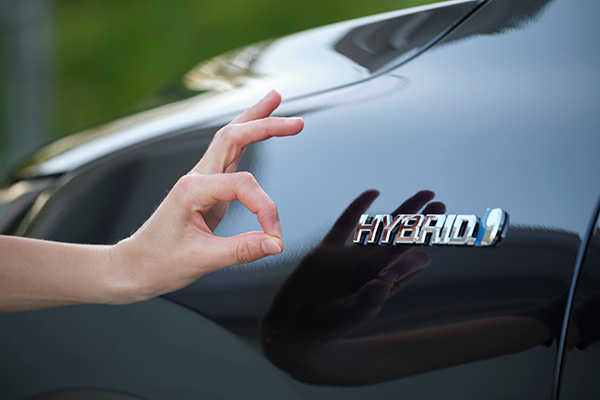
A hybrid can reduce gasoline use, but the annual savings depend on more than the fuel-economy label. Your mileage, energy prices, and driving pattern change the calculation. A plug-in hybrid adds another question: how many miles can you actually cover on electricity?
That is why driving ten thousand miles a year and driving twenty thousand miles a year deserve separate comparisons. More miles usually increase the opportunity for savings, but they do not automatically double a plug-in hybrid's electric driving. Keeping the commute constant shows how additional longer trips can change the result.
Hybrid and Plug-In Hybrid Savings Work Differently
A conventional hybrid uses an engine and electric drive equipment, recovering some energy during braking and automatically managing the power sources. It does not need external charging. You still buy gasoline, but the vehicle may use less than a comparable gasoline model.
A plug-in hybrid can charge externally and provide electric-only driving under suitable conditions. If its usable electric range covers your commute and you charge regularly, many commuting miles can use electricity. On longer trips, it can run on the gasoline engine after using the available electric charge. The exact behavior depends on the model and selected mode.
Use Clear Assumptions for the Hybrid Cost Comparison
The following example compares energy costs, not current local prices or guaranteed results. It uses these five illustrative assumptions.
- The gasoline car averages thirty miles per gallon.
- The conventional hybrid averages forty-five miles per gallon.
- The plug-in hybrid averages forty miles per gallon during gasoline operation.
- Electric driving uses 30 kilowatt-hours from the charger per 100 miles, including charging losses.
- Gasoline costs $4.50 per gallon, and electricity costs $0.30 per kilowatt-hour.
These are hypothetical vehicles and rates, not ratings for specific models. Replace them with the vehicles you are comparing and your actual energy costs. Electricity should reflect the applicable charging price, including relevant charges, rather than assuming every public or home charging session costs the same.
Electric Commuting Can Cover Most Daily Plug-In Hybrid Trips
Assume a thirty-mile round-trip commute on 250 days each year. That creates 7,500 commuting miles. In this example, the plug-in hybrid has enough electric range for each commute, charges between commuting days, and covers all those miles electrically. The remaining annual miles use gasoline, representing longer trips.
That setup can make everyday driving feel electric while keeping gasoline flexibility for longer trips. However, some plug-in hybrids can start the engine for heating, power demand, temperature, or other operating needs. Confirm the behavior of the actual model. “Electric commute, gas for longer trips” is a useful potential pattern, not a promise that every plug-in hybrid keeps its engine off throughout every local drive.
Hybrid Savings at Ten Thousand Annual Miles
At 10,000 miles, the gasoline car uses about 333 gallons and costs $1,500 for fuel. The conventional hybrid uses about 222 gallons and costs $1,000. Its annual gasoline savings are $500 compared with the example gasoline car.
The plug-in hybrid's 7,500 electric miles use 2,250 kilowatt-hours, costing $675. Its remaining 2,500 miles use 62.5 gallons, costing $281.25. Total annual energy cost is $956.25, a saving of $543.75, or about $544, against the gasoline car.
In this example, plugging in saves only about $44 more than the conventional hybrid over the year. That small difference matters when comparing purchase prices. Electric commuting can reduce gasoline purchases substantially without necessarily creating a huge cost advantage over an efficient conventional hybrid.
Hybrid Savings at Twenty Thousand Annual Miles
At 20,000 miles, the gasoline car's annual fuel bill becomes $3,000. The conventional hybrid costs $2,000, saving $1,000. With the same efficiencies and gasoline price, doubling its mileage doubles its gasoline savings.
The plug-in hybrid still covers 7,500 commuting miles electrically, so that electricity still costs $675. Its additional travel now creates 12,500 gasoline miles, costing $1,406.25. Total energy cost becomes $2,081.25, saving $918.75, or about $919, against the gasoline car.
Here, the conventional hybrid costs about $81 less to fuel than the plug-in hybrid. The plug-in model's electric commute stayed the same while its less-efficient gasoline operation handled more miles. Different vehicle ratings or more electric charging opportunities can change that outcome. Consider annual mileage and electric-mile share together.
Charging Prices Can Change Plug-In Hybrid Savings
Electricity is not automatically cheaper per mile than gasoline. Divide the charging cost by the electric distance it provides, and compare that with gasoline price divided by actual miles per gallon. A higher electricity rate or expensive public charging can narrow the benefit.
More frequent charging can increase the electric share when the vehicle and routine allow it. Conversely, rarely plugging in leaves much of a plug-in hybrid's potential unused. Around Marina del Rey, compare your actual parking and charging arrangements rather than buying based on the assumption that local trips will always be electric.
Fuel Savings Are One Part of Hybrid Ownership Cost
Purchase price, financing, depreciation, insurance, maintenance, and any charging-equipment expense also belong in the comparison. Using the conventional hybrid example, a hypothetical $3,000 purchase premium takes six years to recover through $500 annual fuel savings, or three years through $1,000, before those other expenses are considered.
That is a simple illustration, not a complete ownership forecast. Used-vehicle condition and immediate repair needs can change the decision substantially. Compare suitable vehicles with clear records, then use realistic mileage and energy costs. The best choice fits both your driving and your full budget.
Discuss Hybrid Maintenance in Marina del Rey, CA
Villa Marina Auto Care in Marina del Rey, CA, can help you review hybrid maintenance and vehicle-condition questions. Tell us the model and how you drive so we can discuss the service needs behind your ownership plans.
Contact us to discuss maintenance or inspection options for your hybrid.