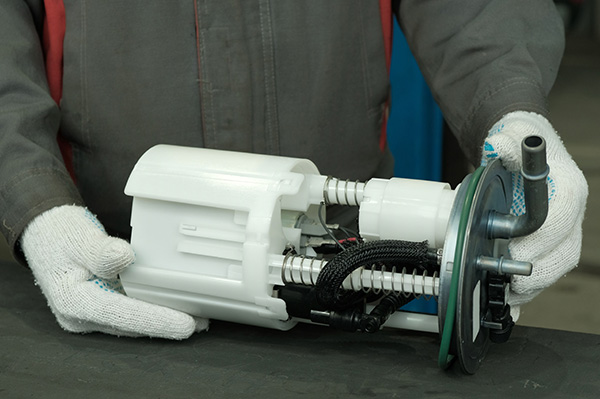
A weak fuel pump can make a car feel unreliable in a very annoying way. One day, it starts fine. The next day, it cranks too long, hesitates when you merge, or feels like it ran out of breath on a hill, even though there is fuel in the tank.
Fuel pump problems rarely feel convenient or obvious at first.
The pump’s job is simple: move fuel from the tank to the engine at the right pressure. When pressure drops or flow becomes inconsistent, the engine starts reacting in ways drivers can feel.
1. Long Cranking Before The Engine Starts
A healthy fuel pump builds pressure quickly when you start the car. If the engine cranks longer than normal before it catches, the pump may be getting weak, or fuel pressure may be bleeding off after the car sits. That delay is easy to dismiss until it starts happening more often.
Long cranking can also come from other causes, like a failing sensor, a weak battery, or an ignition problem. The pattern helps. If the car starts better after cycling the key once or twice before cranking, fuel pressure is worth checking.
2. Hesitation When You Press The Gas
A car that stumbles when you press the accelerator may not be getting fuel fast enough. The engine needs more fuel as the load increases. If the pump cannot keep up, acceleration feels flat, delayed, or uneven.
This is especially noticeable when pulling into traffic, climbing a hill, or passing on the highway. It may feel like the car pauses, then catches up. We see this when a pump is weak, a filter is restricted, or the fuel pressure is dropping under demand.
3. Loss Of Power At Higher Speeds
A fuel pump can perform well around town but struggle at highway speeds. That is because the engine needs a steady fuel volume under load. If the pump is wearing out, it may keep up during light driving but fall behind when the vehicle is asked to work harder.
Drivers often describe the car as feeling tired. The engine runs, but it does not pull the way it used to. Sometimes it feels worse with passengers, cargo, heat, or long uphill grades. That kind of repeat pattern is useful during an inspection because it points toward a demand-related problem.
4. Engine Sputtering Or Surging
Sputtering at a steady speed can happen when fuel delivery is inconsistent. The engine gets enough fuel for a moment, then not quite enough, then enough again. From the driver’s seat, it can feel like a light bucking, fluttering, or uneven push.
Surging can happen too. The car may feel like it speeds up slightly without much change in pedal position. Fuel pressure problems, dirty injectors, sensor issues, or air leaks can all create similar behavior, so testing matters. A pressure gauge and scan data can tell a much clearer story than the symptom alone.
5. Stalling Or Trouble Restarting
A fuel pump that is failing can cause stalling, especially after the vehicle has been running for a while. Heat can make an already weak pump act worse. The car may stall at a stop, restart after cooling down, then repeat the same trick later.
That kind of problem is frustrating because it may not happen when the car is sitting in the driveway. If the stall happens after heat soak, after a long drive, or with a low fuel level, write that down. Those details can help one of our technicians reproduce the issue and avoid chasing the wrong system.
6. A Loud Whine From The Fuel Tank Area
Most fuel pumps make a faint hum, especially when the key first turns on. A loud whining or buzzing from the rear of the vehicle can point to a pump working harder than it should. It can also happen when the fuel level is very low, because fuel helps cool and quiet the pump.
Running near empty all the time is rough on the pump. It can run hotter, pull more sediment from the bottom of the tank, and shorten the pump's lifespan over time. Keeping the tank above empty, replacing a serviceable fuel filter on schedule, and staying current with regular maintenance can help reduce fuel system strain.
How To Prevent Fuel System Issues
Fuel system problems are not always preventable, but a few habits help. Do not drive around on a nearly empty tank every week. Use decent fuel from stations that regularly replenish their supplies. Pay attention to changes after fill-ups, especially if the car starts running rough right afterward.
If your vehicle has a serviceable fuel filter, replace it at the proper interval. If it does not, pressure testing becomes even more important when symptoms show up. The point is to catch weak pressure, contamination, or pump strain before the car leaves you stuck.
Get Fuel Pump Service In Marina del Rey, CA, With Villa Marina Auto Care
If your car is cranking too long, hesitating, sputtering, stalling, or losing power under load, Villa Marina Auto Care in Marina del Rey, CA, can test the fuel system and find out whether the pump, filter, injectors, or pressure control parts are involved.
Book a visit before a weak fuel pump turns into a no-start in the worst possible parking spot.